 dtfinnedtube.com

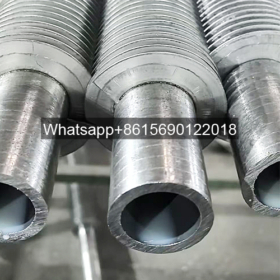

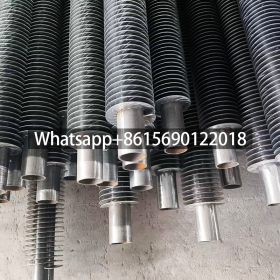

Laser Welded Carbon Steel Finned Tube: A Cost-Effective Solution for Industrial Heat Exchangers
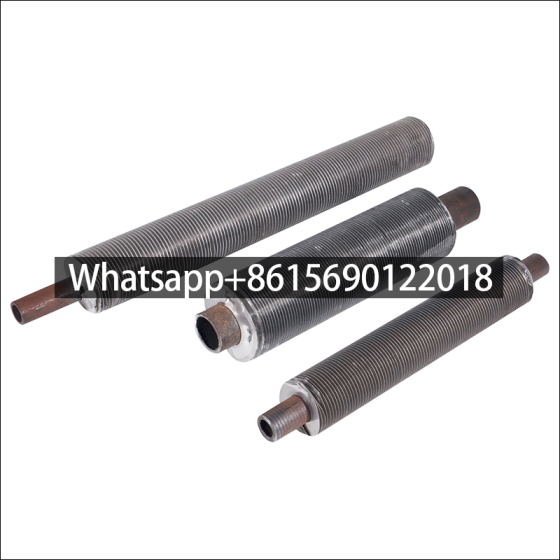
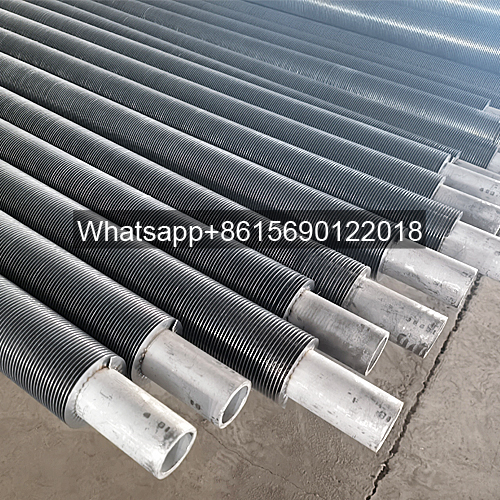
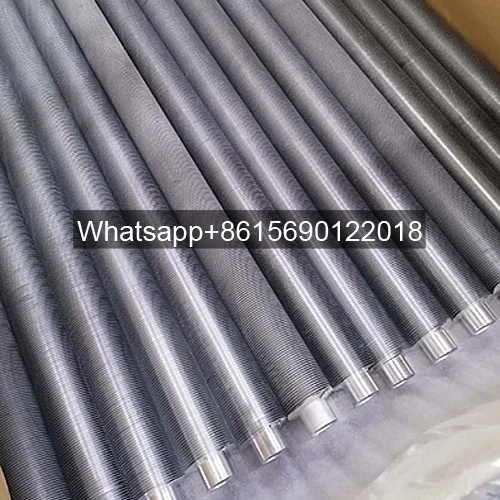
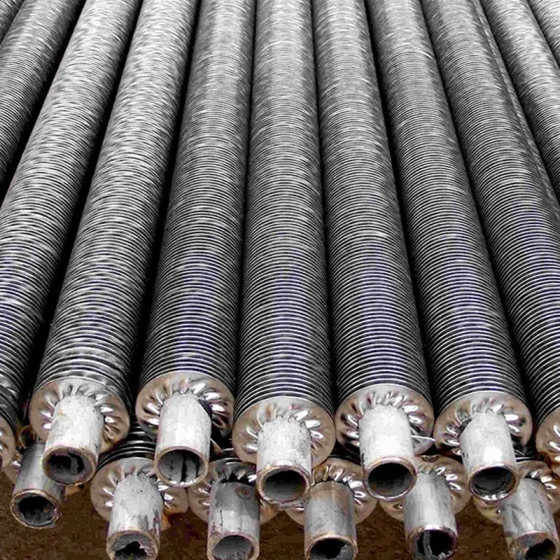
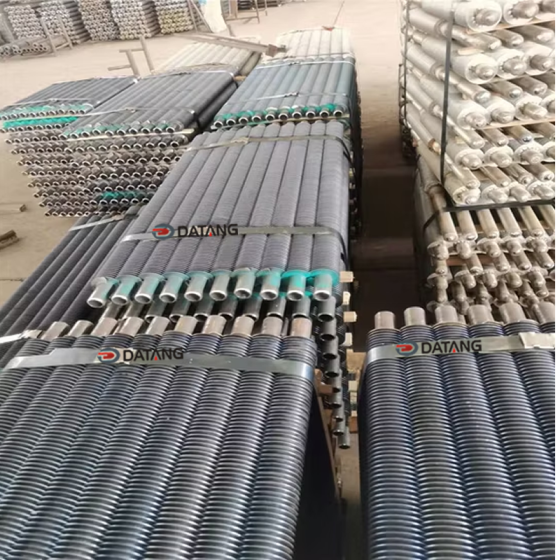
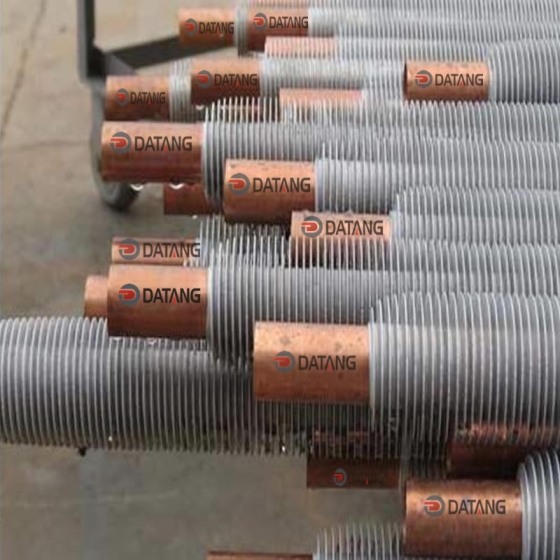
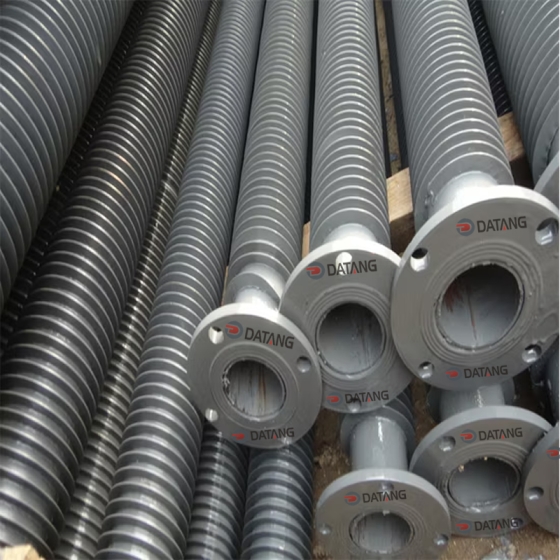
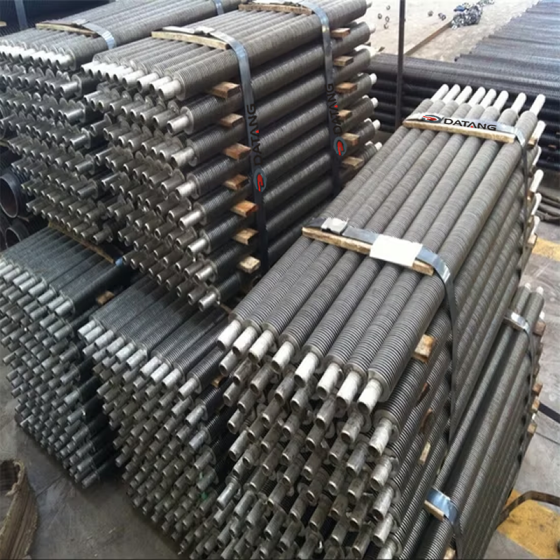
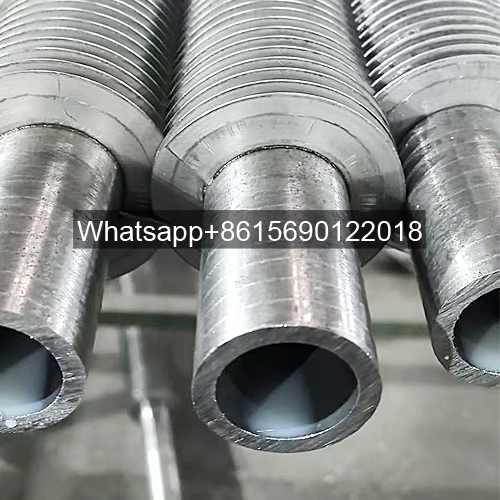
Cangzhou Datang Steel Pipe Co., المحدوده. supplies laser welded carbon steel finned tubes for industrial heat transfer and waste heat recovery applications. The process uses a high-energy laser beam to fuse the carbon steel base tube and spiral fins. This creates a continuous fin-to-tube bond for efficient heat transfer.
We offer customized solutions based on your drawings, material requirements, tube dimensions, fin geometry, and operating conditions. Whether you need finned tubes for waste heat recovery, industrial heat exchangers, air preheaters, boiler economizers, or other industrial heat transfer systems, our team can help you evaluate and select the specifications best suited to your application.
Looking for a finned tube manufacturer for your next project? Please send us your technical drawings or specific requirements. Our team will discuss the product specifications with you and provide a quotation.
Why Choose Laser Welded Carbon Steel Finned Tubes?
Continuous Fin-to-Tube Welding for a Secure Bond
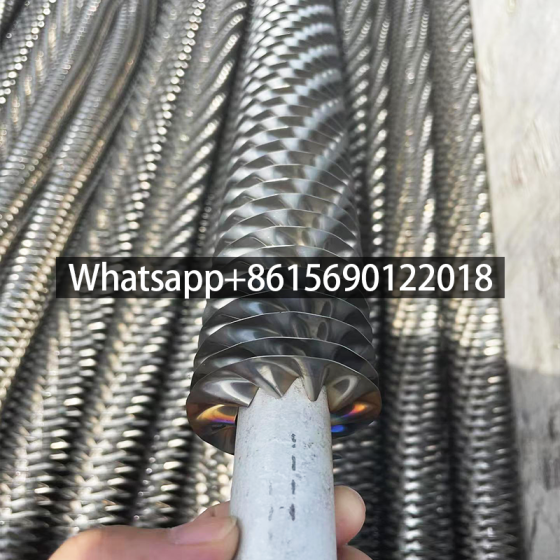
Laser welding creates a metallurgical bond between the fins and the base tube. The controlled welding process achieves 100% weld penetration, forming a continuous joint at the fin root and reducing the risk of fin loosening or heat transfer degradation during long-term operation.
High Heat Transfer Efficiency
Helical fins increase the external surface area available for heat exchange. The continuous laser welded bond between the fins and the tube minimizes contact thermal resistance and helps improve overall heat transfer performance.
Narrow Heat-Affected Zone
Laser welding concentrates heat in a small area. This helps preserve the original mechanical properties of the base tube and fin materials while minimizing distortion.
High Fin Density for Compact Designs
The thin fin-root design allows for closer fin spacing. This helps reduce the overall footprint of the heat exchanger.
Cost-Effective Carbon Steel Solution
Depending on the required material grade and operating conditions, carbon steel base tubes suit a wide range of industrial applications. They offer good strength, pressure resistance, and cost efficiency.
Flexible Customization Options
We offer various carbon steel grades and can customize tube outer diameter, wall thickness, fin height, fin pitch, fin type, and tube length to meet your heat exchanger design requirements. Providing your drawings or detailed technical specifications helps us assess the manufacturability of your proposed design.
Laser Welded Carbon Steel Fin Tube Specifications
The table below shows the production range of Datang’s laser welded carbon steel fin tubes. Final dimensions and available material combinations depend on our manufacturing capabilities and project requirements.
| Parameter | Capability / Standard Range |
| Base Tube Material | ASTM A179, A192, ASTM A210, ASTM A106 Gr.B |
| Fin Material | Carbon Steel |
| Base Tube Outer Diameter (O.D.) | 10 mm – 273 mm |
| Base Tube Wall Thickness | 0.8 mm – 4.0 mm |
| Fin Height | 6.0 mm – 28.0 mm |
| Fin Thickness | 0.4 mm – 1.0 mm |
| Fin Pitch / Density | 2.0 mm – 20.0 mm |
| Maximum Operating Temperature | Up to 450°C – 500°C |
| Welding Type | Fully Automated Continuous Laser Welding |
| Standard Lengths | Up to 18,000 mm (Custom lengths available) |
Why Carbon Steel Is a Practical Choice
Carbon steel finned tubes are widely used in heat exchangers operating in mildly to moderately corrosive environments. They offer good strength, pressure resistance, and cost-effectiveness, making them a practical choice for many industrial heating and waste heat recovery applications.
For clean air, steam, hot water, or relatively dry flue gas, laser welded carbon steel finned tubes provide reliable heat transfer at a reasonable cost. In highly corrosive environments, especially those involving high chloride or sulfur levels, stainless steel or other alloys may be more suitable.
Available Carbon Steel Grades for Laser Welded Finned Tubes
| Standards | Common Materials | Typical Applications |
| ASTM / ASME | ASTM A179 / SA-179 | Seamless Cold-Drawn Low-Carbon Steel Heat-Exchanger and Condenser Tubes |
| ASTM / ASME | ASTM A192 / SA-192 | Seamless Carbon Steel Boiler Tubes for High-Pressure Service |
| ASTM / ASME | ASTM A210 Grade A1 | Seamless Medium-Carbon Steel Boiler and Superheater Tubes |
| ASTM / ASME | ASTM A106 Grade B | Seamless Carbon Steel Pipe for High-Temperature Service |
| EN | P235GH | Non-alloy steel tubes for elevated-temperature service |
| EN | P265GH | Non-alloy steel tubes for elevated-temperature service |
| EN | P195GH | Non-alloy steel tubes for elevated-temperature service |
To receive an accurate quote, please provide technical drawings or specify the base tube dimensions, material grade, fin geometry, tube length, quantity, and applicable standards.
Laser Welded Finned Tube Manufacturing Process
Consistent product quality requires control throughout the manufacturing process, from raw material preparation to final inspection.
Step 1: Raw Material Preparation
Select the base tube and fin strip according to the confirmed specifications. Verify material grades and dimensions against the order to ensure traceability and accurate documentation.
Step 2: Fin Positioning and Laser Welding
Position the fin strip around the base tube and join it using a controlled laser welding process. Welding parameters must match the selected materials and fin geometry.
Step 3: Dimensional Inspection
Check key dimensions against the agreed specifications, including base tube diameter, tube length, fin height, fin thickness, and fin pitch. Early detection of dimensional deviations helps reduce the risk of fit-up and installation issues.
Step 4: Weld and Visual Inspection
Inspect the fin-to-tube joints and finished surfaces according to the agreed quality requirements. Additional tests can be performed if specified in the project requirements or purchase order.
Step 5: Final Inspection and Packaging
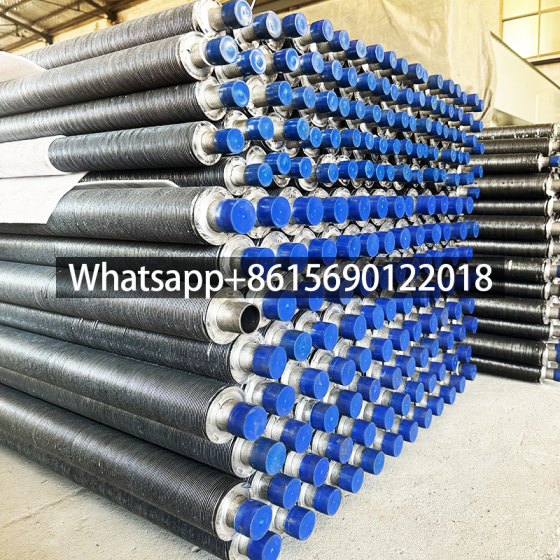
Before packing, verify that the finished tubes meet the order requirements. Packaging must protect the tubes and fins from damage during handling, storage, and transportation.
The actual manufacturing steps, inspection methods, and quality records depend on the product specifications and the factory’s confirmed capabilities.
Applications of Laser Welded Carbon Steel Finned Tubes
Laser welding carbon steel finned tubes are widely used in power generation, petrochemical processing, and industrial waste heat recovery. Their suitability depends on equipment design, operating conditions, and material compatibility.
Waste Heat Recovery
In waste heat recovery systems (WHRS), finned tubes increase the gas-side heat transfer area to recover heat from flue gases in cement, glass, and steel production. Selection should consider flue gas temperature, dust content, fouling, cleaning requirements, and thermal cycling.
Boilers and Economizers
Laser welded carbon steel finned tubes can be used in power plant economizers, superheaters, and other heat recovery systems. The finned design increases the heat transfer area and supports efficient heat recovery. Material selection and fin geometry should meet operating conditions, equipment design requirements, and applicable engineering standards.
Industrial Gas Heating and Cooling
Finned tubes are used in air coolers and process gas heaters in refineries and chemical plants. The increased external heat transfer area improves heat exchange performance. Selection should account for gas composition, corrosion risks, airflow resistance, and operating temperature.
Air-Cooled Heat Transfer Equipment
Finned tubes are commonly used in air-cooled equipment where additional external heat transfer area is required. Tube bundle layout, fin pitch, fin height, and airflow conditions should all be considered during design.
HVAC and Industrial Air Heating Coils
Laser welded finned tubes can be used in heat exchangers for HVAC systems and industrial air heating equipment. By increasing the air-side heat transfer area, they help improve heat exchange performance. Selection should consider airflow, operating temperature, corrosion risks, and equipment design requirements.
Need help selecting the right finned tube?
Contact Datang with your operating conditions and technical requirements. Our team can help evaluate a suitable solution for your application.
Laser Welded vs. High-Frequency Welded Finned Tubes
Laser welding and high-frequency welding are two different methods of attaching fins to a base tube. Both are used to manufacture industrial finned tubes. The choice depends on fin geometry, production requirements, material combinations, and project cost.
Laser Welded vs. High-Frequency Welded Finned Tube Parameters
| Comparison Point | Laser Welded Finned Tubes | High-Frequency Welded Finned Tubes |
| Joining Method | Laser welding | High-frequency resistance welding |
| Bond Type | Full Metallurgical Fusion | Resistance Fusion |
| Process Characteristics | Concentrated, controllable energy input | High-frequency electrical heating at the joint |
| Heat-Affected Zone (HAZ) | Ultra-Small (Preserves tube wall) | Large (Risk of wall stress) |
| Thermal Contact Resistance | Zero | Low to Moderate |
| Vibration / Thermal Shock Resistance | Maximum | High |
| Min. Tube Wall Thickness | Thinner walls possible | Requires thicker walls |
| Fin Root Spatter | Clean & Smooth | Moderate spatter/bead |
| Product Dimensions | 10-273mm | 18-273mm |
| Joint Quality | Excellent | Good |
| Cost Considerations | Evaluate material, processing and order volume | Evaluate material, processing and order volume |
| Selection Factors | Geometry, service conditions, joint requirements and cost | Geometry, service conditions, joint requirements and cost |
For a specific application, neither process is necessarily the best choice. The right option depends on the required dimensions, material compatibility, operating conditions, manufacturing feasibility, and total project cost.
If you are comparing these two options, read our guides to laser welded and high-frequency welded finned tubes to understand their key differences and selection considerations.
Quality Control for Laser Welded Finned Tubes
At Datang, quality is built into every meter of finned tube we produce. Our manufacturing facility follows ISO 9001 quality management requirements and uses defined inspection procedures. The quality of laser welded finned tubes depends on material consistency, welding process control, dimensional accuracy, and final inspection.
Material Traceability and Certification: Verify the material grades of the base tubes and fin strips against the order requirements. Material Test Certificates (MTCs) are provided as agreed for each batch.
Dimensional Inspection: Use precision digital laser monitoring systems to check specified tube and fin dimensions against the required tolerances.
Weld Quality and Metallographic Examination: Define the inspection methods and acceptance criteria for fin-to-tube joints. Metallographic examination can assess weld penetration and microstructural integrity to verify compliance with technical requirements.
Fin Tensile and Peel Tests: Evaluate fin-to-tube bonding strength against the agreed acceptance criteria and applicable standards.
Hydrostatic Testing and Eddy Current Testing: Perform 100% nondestructive testing of the base tubes before and after welding, as specified in the inspection plan.
Quality Documentation: Confirm the required inspection reports, material certificates, and other quality records before delivery.
Any additional testing or third-party inspection should be agreed upon before production begins.
In industrial procurement, clearly defined acceptance criteria are more effective than general quality promises. Datang can review your inspection requirements and confirm the specific quality control procedures for your order.
Frequently Asked Questions (FAQ)
1. What Is a Laser Welded Carbon Steel Finned Tube?
A laser welded carbon steel finned tube is a heat transfer component made by joining a spiral fin to a carbon steel base tube using laser welding. The fins increase the external heat transfer area, while the automated welding process enables efficient and consistent production.
2. How Do Fin Pitch and Fin Height Affect Heat Transfer Performance?
Fin pitch and fin height affect heat transfer area, airflow resistance, and fouling.
A smaller fin pitch means more fins per unit length, while taller fins increase the external heat transfer area. However, higher fin density does not always improve overall performance. It can increase air-side pressure drop and make cleaning more difficult, especially in dusty environments.
The optimal fin geometry depends on the required heat duty, airflow, operating temperature, dust content, and maintenance requirements. A balanced design helps achieve efficient heat transfer, reliable operation, and cost-effective performance.
3. Can Laser Welded Carbon Steel Finned Tubes Withstand High Temperatures and Thermal Cycling?
They can be suitable for high-temperature service and thermal cycling when properly designed. The metallurgical bond between the fin and base tube helps maintain a stable connection during temperature changes.
The maximum operating temperature depends on the base tube and fin materials, weld quality, operating conditions, and applicable design requirements. Temperatures up to 500°C should only be specified when supported by engineering evaluation and validation. Performance under repeated thermal cycling must also be assessed for the intended application.
4. Are Laser Welded Finned Tubes Easier to Clean?
Laser welding can produce a consistent fin-to-tube joint with minimal weld spatter when properly controlled. A smooth, uniform fin root may help reduce fouling and improve cleaning access.
Actual cleaning performance depends on fin geometry, flue gas composition, dust characteristics, and operating conditions. Soot blowing or high-pressure water cleaning may be used where suitable for the equipment design.
5. Can Laser Welded Finned Tubes Be Bent into U-Tubes or Coils?
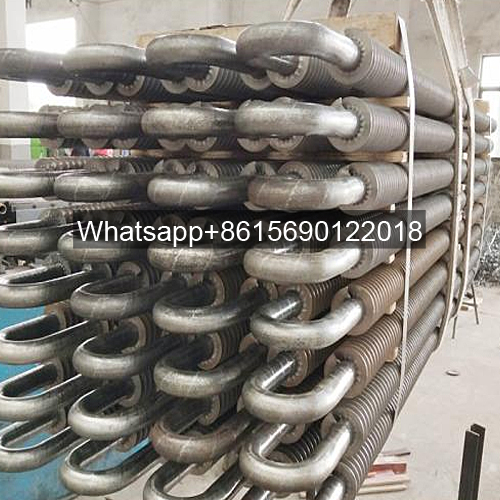
Yes, subject to the tube design, materials, and bending requirements. Laser welded finned tubes may be suitable for secondary processing, including U-bending and serpentine coil fabrication, when the weld and fin structure can withstand the required deformation.
Before production, confirm the bending radius, tube dimensions, material specifications, and any header welding requirements. Plain tube ends can be provided as specified for bending and connection.
6. What Is the Standard Lead Time for Custom Orders?
The typical lead time is 2–4 weeks, depending on raw material availability, tube specifications, and order quantity. Urgent orders may be considered for expedited production, subject to production capacity and material availability.
7. Can You Provide Thermal Calculations or Custom OEM Drawings Before Production?
Yes. Cangzhou Datang Steel Pipe Co., المحدوده. has an experienced technical team that can review your operating parameters, including flue gas temperature, flow rate, pressure drop limits, and fluid type.
Depending on the project requirements, we can provide heat transfer assessments, dimensional drawings, and material selection recommendations. Technical specifications should be reviewed and approved by both parties before mass production begins.
Ready to Optimize Your Heat Transfer Project?
Datang can evaluate your requirements for laser welded carbon steel finned tubes and help you identify a suitable solution. Contact our technical sales team for engineering support, technical drawings, and a competitive factory-direct quotation.
Information Needed for a Quotation
Please provide the following details:
Base tube: Material grade, outside diameter, and wall thickness
Fin material: Required material grade
Fin height: Required dimension
Fin thickness: Required dimension
Fin pitch: Required spacing
Tube length and quantity: Total length and order quantity
If available, please also send your technical drawings or specifications. Our team will review the manufacturing feasibility, quality requirements, and quotation details.
Contact Datang today to discuss your laser welded carbon steel finned tube requirements.