 dtfinnedtube.com


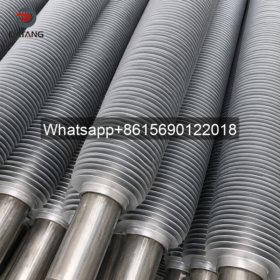
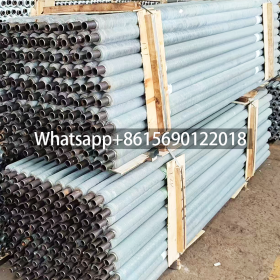
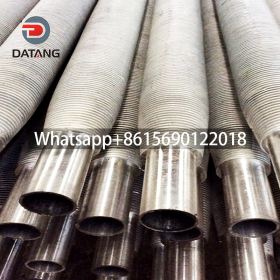
1. Composite Finned Tubes for Industrial Heat Transfer
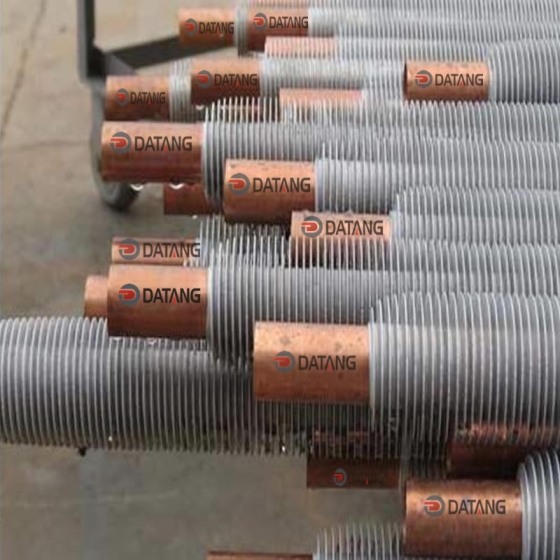
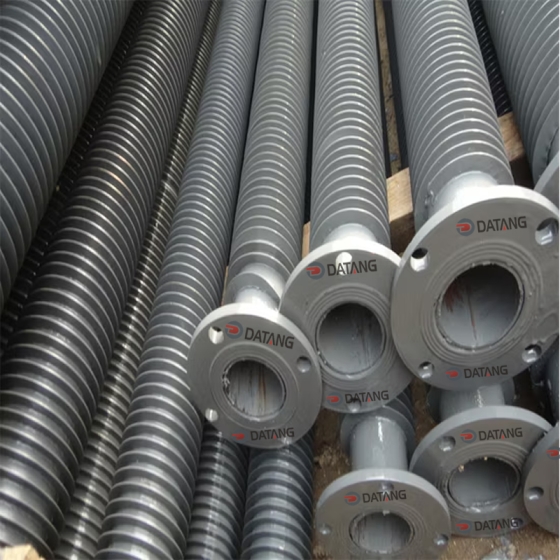
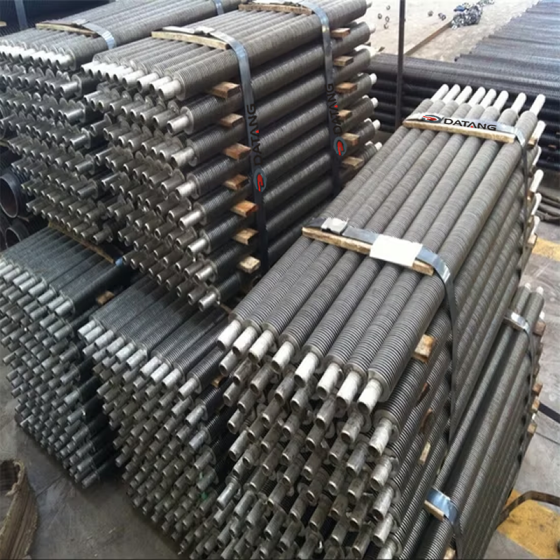
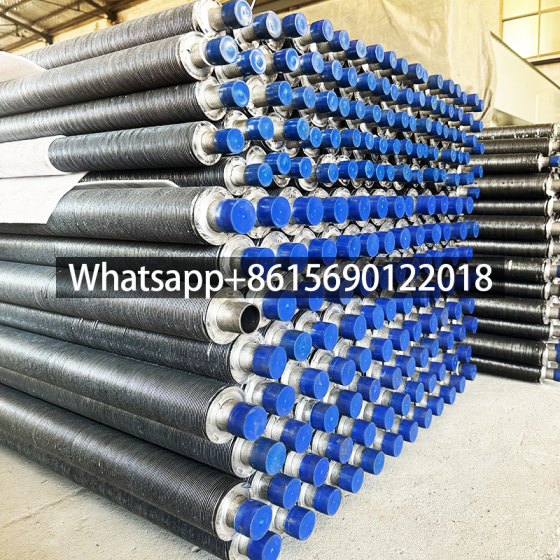
Bimetallic composite finned tubes are designed to improve heat transfer between fluids, especially in applications where air is used as the heat transfer medium.
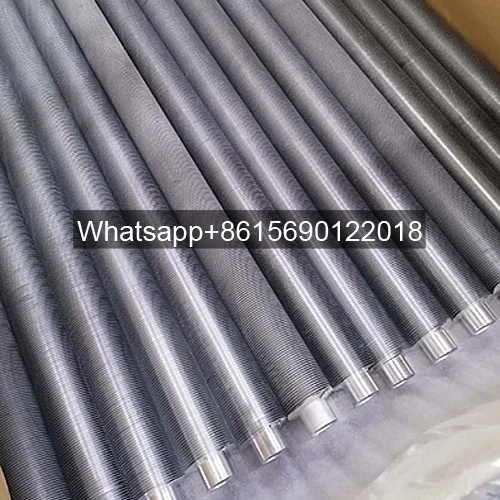
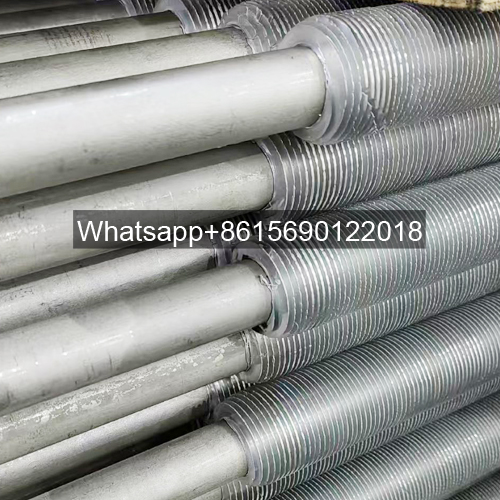
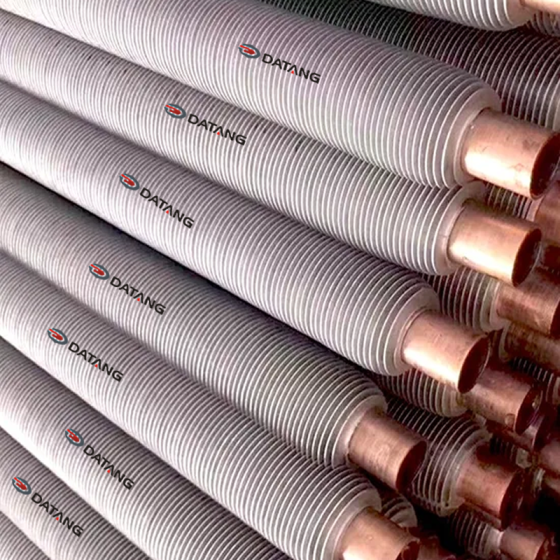
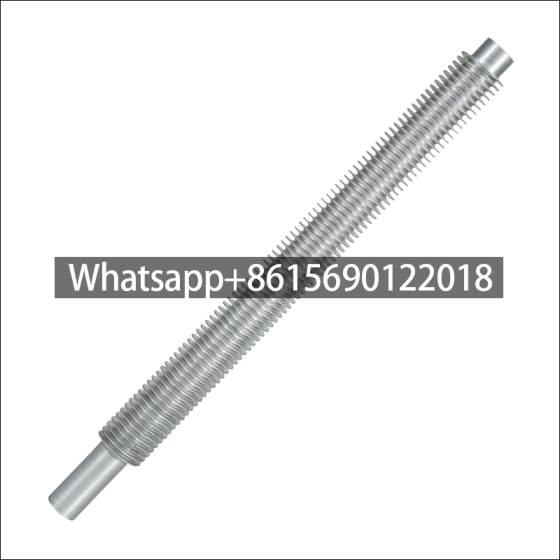
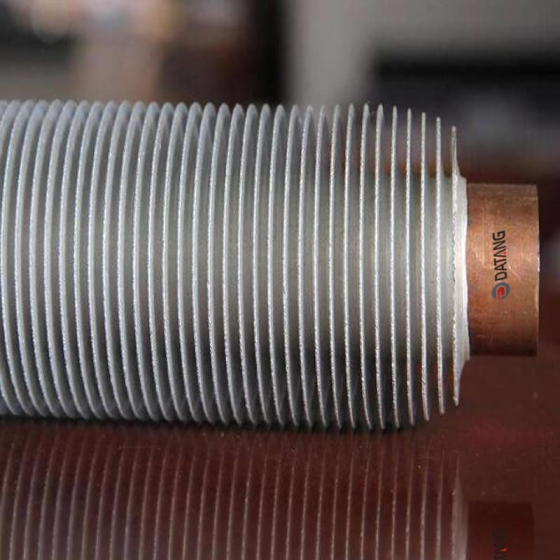
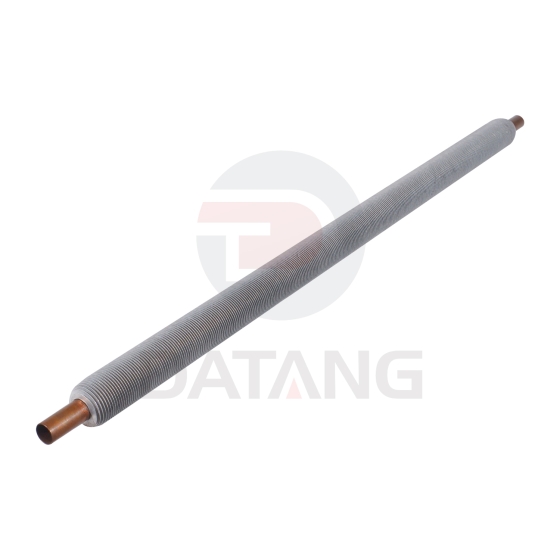
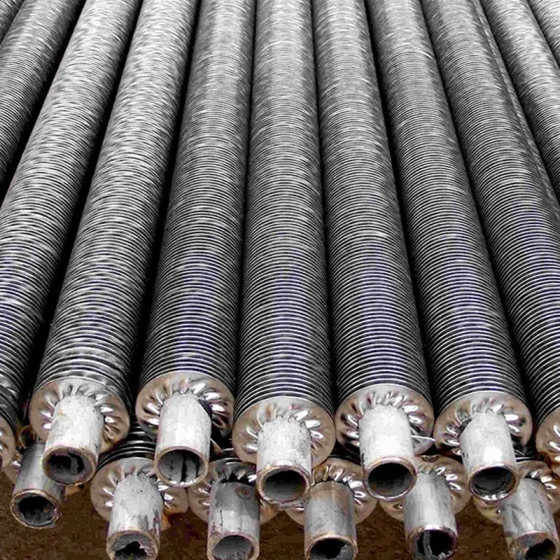
A typical composite finned tube consists of a base tube and an outer fin layer. The base tube is usually made of carbon steel, Edelstahl, or copper. Aluminum is commonly used for the outer fin layer.
The two metals work together to provide different performance benefits. The base tube offers mechanical strength and pressure resistance. The aluminum fins provide a larger heat transfer surface with lower weight and good thermal conductivity.
At Cangzhou Datang Steel Pipe, we manufacture bimetallic composite finned tubes through a controlled rolling process. The aluminum outer tube is formed into continuous fins and tightly bonded to the base tube.
This structure helps reduce contact thermal resistance and supports stable heat transfer during operation.
We can customize tube materials, fin dimensions, tube lengths, and other specifications to meet your project requirements.
2. Composite Finned Tube Structure and Materials
Composite extruded finned tube combines two different metal materials into one heat transfer element. Each material has its own function.
Base Tube
The base tube carries the working fluid and provides the main structural strength. Common materials include:
-
Kohlenstoffstahl
-
Edelstahl
-
Stahllegierung
-
Kupfer
Outer Fin Material
The outer fin layer increases the heat transfer area. Aluminum is widely used because it is lightweight, easy to form, and has good thermal conductivity.
Common aluminum materials include:
-
Aluminium 1060
-
Aluminium 1070
-
Aluminium 3003
The final material combination depends on operating temperature, pressure, corrosion conditions, and heat transfer requirements.
3. How Are Composite Finned Tubes Manufactured?
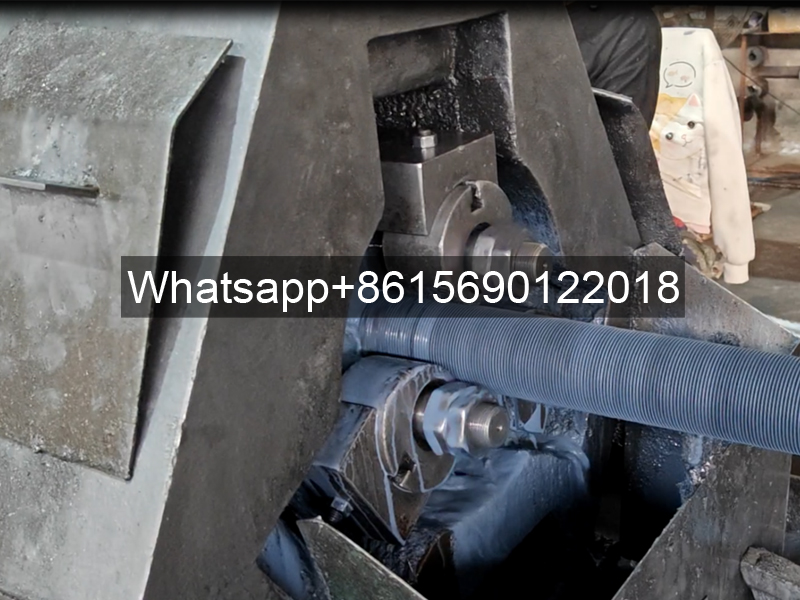
Composite extruded finned tubes are mainly produced by rolling and welding. For conventional aluminum-clad bimetallic finned tubes, the rolling process is widely used.
Rolling Process
The rolling process forms the outer aluminum tube into continuous fins while creating a tight mechanical bond with the base tube.
The main production steps include:
Step 1. Base Tube Preparation
We select the base tube according to the required material, outer diameter, wall thickness, and working conditions.
Step 2. Aluminum Tube Assembly
An aluminum tube is placed over the base tube. The dimensions must match the required composite structure.
Step 3. Fin Rolling
The assembled tube passes through a special fin rolling machine. Rolling tools form the aluminum layer into spiral fins.
Step 4. Bonding and Inspection
The rolling process presses the aluminum layer tightly against the base tube. This helps reduce the gap between the two metals and improves thermal contact.
Step 5. Final Finishing
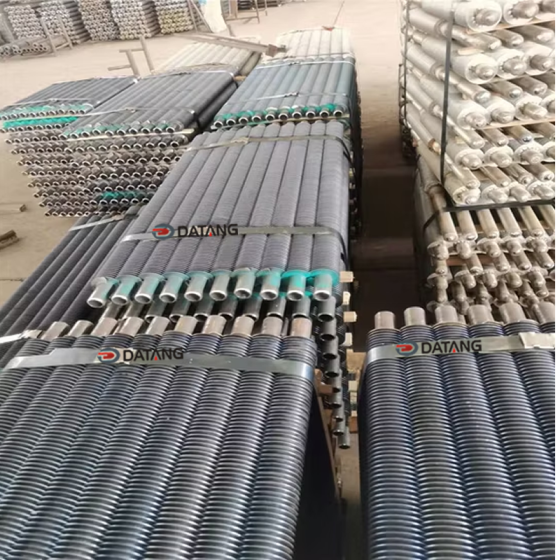
The finished tubes are inspected for dimensions, fin quality, surface condition, and other project requirements.
Why Is the Rolling Process Important?
The quality of the bond between the fin and the base tube directly affects heat transfer performance.
A properly controlled rolling process helps achieve:
-
Tight contact between the two metals.
-
Lower contact thermal resistance.
-
Uniform fin geometry.
-
Good mechanical stability.
-
Reliable performance during long-term operation.
4. Key Advantages of Composite Finned Tubes
Aluminum clad finned tubess combine the advantages of different metal materials. They are suitable for many industrial heat transfer applications.
High Heat Transfer Efficiency
The fins increase the external surface area of the tube. This allows more heat to transfer between the tube and the surrounding air.
The close contact between the base tube and the aluminum fin layer also helps reduce contact thermal resistance.
Good Corrosion Resistance
The material combination can provide better protection in different operating environments.
Aluminum offers good resistance to atmospheric corrosion. Stainless steel and suitable alloy steel can be selected for the base tube when better corrosion resistance is required.
Material selection should always consider the actual operating conditions.
High Mechanical Strength
The base tube provides the main mechanical strength of the product. It can be made from carbon steel, Edelstahl, or other suitable materials.
The rolled aluminum fins also have good structural strength. They can withstand normal handling, transportation, and suitable cleaning operations.
Stable Fin-to-Tube Contact
The rolling process creates a tight mechanical bond between the aluminum fins and the base tube.
This helps maintain good thermal contact and reduces the risk of gaps between the two metals during operation.
Lightweight Structure
Aluminum fins have a relatively low density. They increase the heat transfer area without adding too much weight.
This is useful for large heat exchangers where equipment weight and installation space are important.
5. Composite Finned Tube vs. Other Finned Tubes
Different finned tube types have different structures and performance characteristics. The right choice depends on your working conditions and project requirements.
| Finned tube type | Main feature | Typical advantage |
|---|---|---|
| Composite finned tube | Two different metals combined | Material performance combination |
| L-footed finned tube | Aluminum strip wrapped around the base tube | Economical production |
| Embedded G-type finned tube | Fin strip mechanically embedded in a groove | Strong fin attachment |
| High-frequency welded finned tube | Fin welded to the base tube | Suitable for high-temperature applications |
| Laser welded finned tube | Precise laser welding | Continuous fin-to-tube bonding |
Aluminum clad finned tubess are a suitable option when you need a combination of base tube strength, lightweight fins, and good thermal contact.
If your project involves higher temperatures, severe vibration, or special corrosion conditions, we can also help you compare other finned tube structures.
6. Industrial Applications of Composite Finned Tubes
Composite finned tubes are widely used in industrial heat exchangers. Their material combination makes them suitable for different heat transfer requirements.
Oil and Gas Industry
Composite finned tubes are used in air-cooled heat exchangers and process cooling systems in refineries and oil and gas facilities.
The base tube material can be selected according to fluid pressure, temperature, and corrosion conditions.

Petrochemical and Chemical Industry
Chemical plants often require reliable heat transfer equipment. Composite finned tubes can be used in cooling and heating systems where efficient air-side heat transfer is required.
The material combination should be selected based on the chemical environment and operating temperature.
Stromerzeugung
Bimetal extruded finned tube can be used in different heat exchange systems in power plants. Typical applications include air cooling and auxiliary heat transfer equipment.
Industrial Heat Recovery
Industrial processes generate large amounts of waste heat. Finned tube heat exchangers can help recover this energy and improve overall energy utilization.
The fin structure and material combination should match the flue gas temperature, dust content, corrosion conditions, and cleaning requirements.
7. Customized Composite Finned Tube Specifications
Every heat exchanger project has different design requirements. Tube dimensions, fin geometry, and material combinations all affect heat transfer performance.
Datang supports customized manufacturing based on your drawings and technical specifications.
The following parameters can be discussed and confirmed before production.
For an accurate quotation, please provide your tube material, base tube dimensions, fin height, fin pitch, fin thickness, tube length, and order quantity.
You can also send us your technical drawings for evaluation.
8. Quality Control and Inspection

The quality of composite finned tubes depends on both material quality and manufacturing control.
At Datang, we pay attention to the following inspection points:
Material Inspection
We check the base tube and fin material according to the specified material grades and project requirements.
Dimensional Inspection
We inspect the base tube diameter, wall thickness, fin height, fin thickness, fin pitch, and overall tube length.
Fin Bonding Inspection
We check the contact condition between the fin layer and the base tube to ensure the required bonding quality.
Surface Inspection
We check for visible defects, deformation, damaged fins, and other surface problems.
Inspection documents and additional testing can be arranged according to the project specifications.
9. Why Choose Datang for Composite Finned Tubes?
Choosing a finned tube supplier is not only about comparing prices. Product quality, manufacturing experience, and technical communication are also important.
Cangzhou Datang Steel Pipe has around 20 years of experience in finned tube manufacturing.
We focus on the production of different finned tube types for industrial heat transfer applications.
When you work with Datang, you can expect:
-
Manufacturing Experience: Around 20 years of experience in finned tube production.
-
Material Options: Different base tube and fin material combinations.
-
Customized Production: Tube dimensions and fin specifications based on your requirements.
-
Technical Support: Assistance with product selection, drawings, and technical specifications.
-
Quality Inspection: Production inspection based on agreed technical requirements.
-
Project Support: Communication and coordination for export orders and industrial projects.
Our goal is to provide finned tubes that match your equipment design and actual operating conditions.
10.Frequently Asked Questions About Composite Finned Tubes
1. How do I choose the right material combination for a composite finned tube?
You should consider the working temperature, operating pressure, fluid properties, and external environment. The base tube must meet the mechanical and corrosion requirements. The fin material should also match the operating conditions. For special applications, material compatibility should be checked before production.
2. Can composite finned tubes be used in high-temperature applications?
Yes, but the maximum operating temperature depends on the base tube material, fin material, bonding structure, and working conditions. Aluminum has temperature limitations. For high-temperature applications, you should confirm the actual operating temperature before selecting the tube type.
3. Will the aluminum fins become loose during long-term operation?
Fin stability depends on the rolling process, material properties, and operating conditions. Proper forming and bonding help maintain close contact between the fin layer and the base tube. Temperature cycling and mechanical stress should also be considered during product selection.
4. How can I reduce dust accumulation on composite finned tubes?
Dust accumulation depends on the gas composition, particle size, airflow velocity, and fin geometry. In dusty environments, fin spacing and tube arrangement should allow sufficient cleaning access. You should also consider the cleaning method when selecting the product.
5. Can composite finned tubes be used with steam or high-pressure fluids?
The suitability depends mainly on the base tube material, wall thickness, tube dimensions, and design pressure. The fin layer does not determine the pressure rating of the tube. The base tube must meet the mechanical design requirements of your equipment.
6. What information should I provide when requesting a quotation?
Please provide the following information:
-
Base tube material and dimensions
-
Fin material and dimensions
-
Tube length and quantity
-
Operating temperature and pressure
-
Application or equipment type
-
Technical drawings, if available
These details help us evaluate your requirements and prepare a more accurate quotation.
7. Can Datang manufacture composite finned tubes according to existing equipment drawings?
Yes. You can send us your existing drawings or technical specifications. Our team can review the dimensions, material requirements, and fin structure before confirming production details.
8. How should composite finned tubes be stored before installation?
Keep the tubes in a dry and clean storage area. Avoid direct contact with water, chemicals, and corrosive substances. Do not place heavy objects on the fins. Proper support and packaging help prevent fin deformation during storage and transportation.
11. Request a Quote for Composite Finned Tubes
Are you looking for a reliable composite finned tube manufacturer for your heat exchanger project?
Cangzhou Datang Steel Pipe provides customized finned tube manufacturing for industrial applications.
Send us your drawings, technical specifications, or project requirements. Our team will help you select a suitable material combination and fin structure.
Contact Datang Today
-
Website: www.dtfinndtube.com
-
E-Mail: [email protected]
-
Contact: Sonniges Yang
-
WhatsApp (Englisch) / WeChat: +86 156 9012 2018
We look forward to discussing your project.