 dtfinnedtube.com

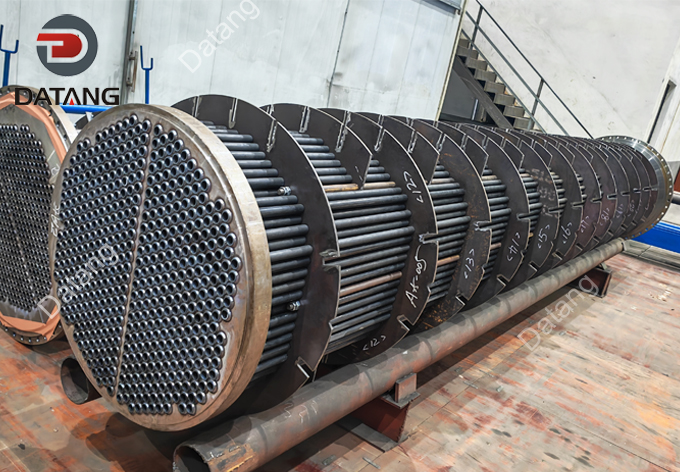
Tube Bundle Heat Exchanger Overview
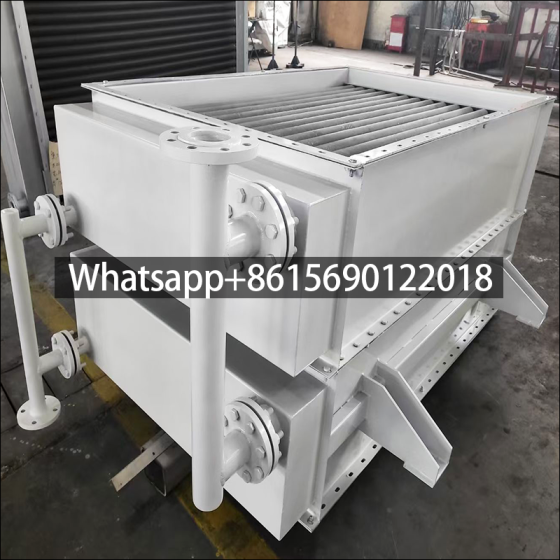
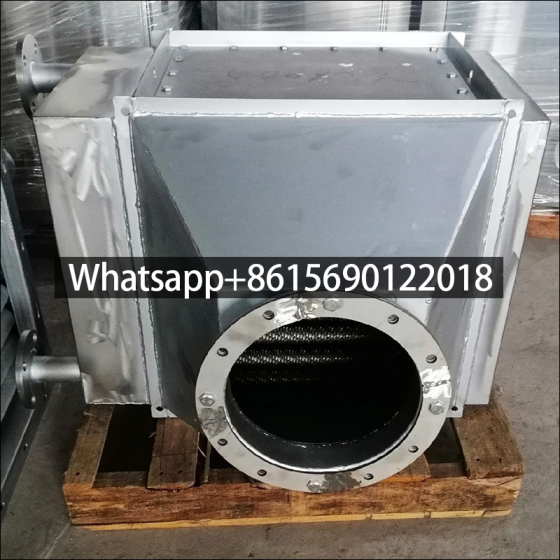
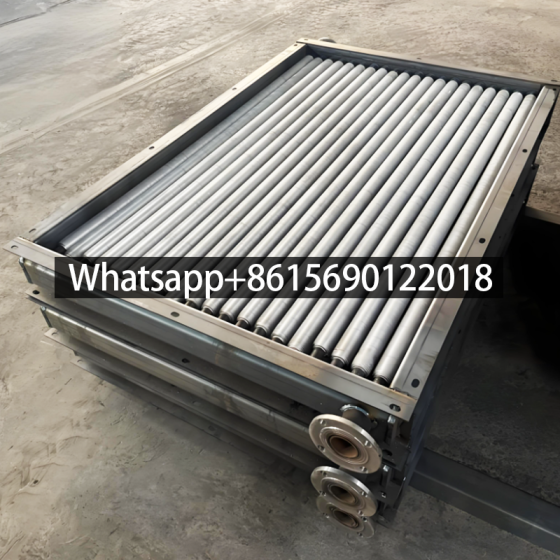
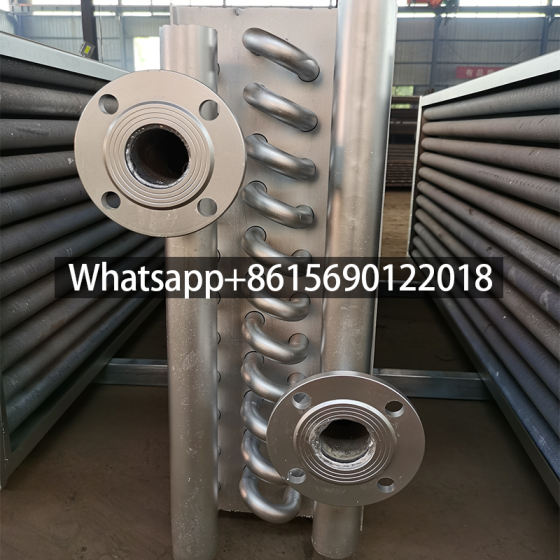
A tube bundle heat exchanger (also known as a shell and tube heat exchanger) is an industrial device that transfers heat between two fluids at different temperatures through the tube walls. It is widely applied in industries such as chemical engineering, petroleum, pharmaceuticals, and energy.
-
Capital Expenditure (CapEx) Share: Account for approximately 30% of total equipment investment in chemical plants and about 40% in petroleum refineries.
-
Global Market Share: Dominates the international market with a 64% share.
Structural Components of Shell and Tube Heat Exchangers
1. Tube Bundle
The simplest configuration in a shell and tube heat exchanger is the single-pass design. To increase the heat transfer area, more tubes are typically added. When the tube count increases, multi-pass configurations are used to prevent velocity drops and reductions in the heat transfer coefficient. From manufacturing, installation, and operational perspectives, an even number of tube passes is generally preferred, and the total pass count should not be overly large.
2. Shell Types
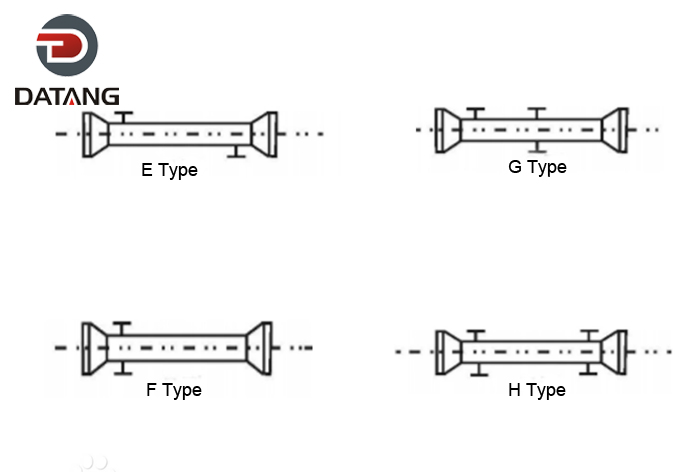
Standard designated shell-side configurations include:
-
E-Type: The most common design featuring a single shell pass. It can be paired with single-pass or multi-pass tube arrangements.
-
F-Type: A two-pass shell exchanger equipped with a longitudinal baffle parallel to the tube axis inside the shell.
-
G-Type: A split-flow, two-pass shell design where the longitudinal baffle is offset from one end of the tube sheet to allow fluid split-flow.
-
H-Type: Similar to the G-type, but doubles both the inlet/outlet nozzles and the longitudinal baffles.
3. Tube Layout
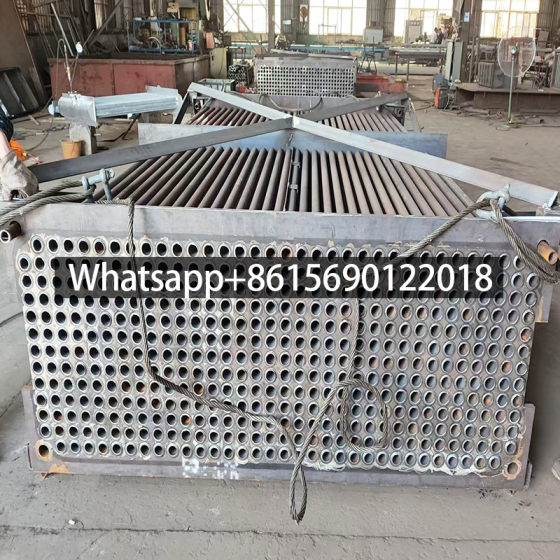
The four most common tube bundle layout patterns on the tube sheet are: Triangular (30°),Rotated Triangular (60°),Quadrat (90°),Rotated Square (45°)
4. Tube Sheets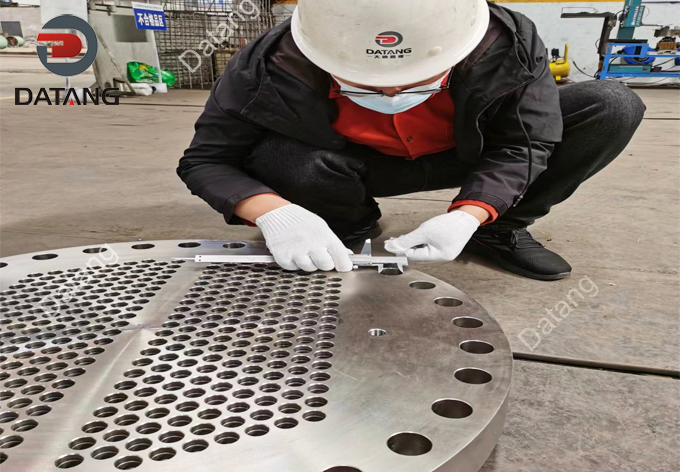
The tube sheet is a critical component used to arrange the heat exchanger tubes while acting as a barrier to separate the tube-side and shell-side chambers.
-
Thin Tube Sheets: Save material and are primarily applied in medium- and low-pressure heat exchangers.
-
Elliptical Tube Sheets: Welded directly to the shell, offering superior stress distribution suitable for high-pressure, large-diameter heat exchangers.
5. Baffles and Rod Baffles
Baffle plates increase shell-side flow velocity, enhance turbulence, improve heat transfer efficiency, and provide structural support for the tube bundle in horizontal heat exchangers. Common baffle types include single-segmental, double-segmental, and triple-segmental designs.
Rod baffles represent an advanced tube support structure offering key advantages over traditional segmental baffles:
-
Reduces pressure drop by more than 50% under equivalent heat duty.
-
Eliminates heat transfer dead zones.
-
Lowers fouling rates.
-
Prevents flow-induced vibration caused by transverse cross-flow.
Main Classifications of Tube Bundle Heat Exchangers
Shell and tube heat exchangers generally feature three main structural types: fixed tube sheet, floating head, und U-tube. The selected design is determined by operational requirements, intended application, and the physical properties of the working fluids.
1. Fixed Tube Sheet Heat Exchangers
Fixed tube sheet heat exchangers offer a simple, compact, and low-cost design where the tube sheets frequently double as flanges.
-
Best For: Applications with minor temperature differences between the tube and shell sides, or large temperature differences under low operating pressures. Suitable when shell-side fluids are clean or produce scale that can be removed via chemical cleaning.
-
Key Drawback: Significant thermal stresses develop in both the shell and tubes when there is a substantial difference in wall temperatures or linear thermal expansion coefficients between the shell and tube materials.
2. Floating Head Heat Exchangers
In floating head exchangers, the tube sheet at one end of the tube bundle can float freely, eliminating thermal expansion stress.
-
Best For: Operating conditions with large temperature differences between the tube and shell sides and working pressures up to 10 MPa. During maintenance, the floating head can be disassembled to pull out the tube bundle for inspection or replacement.
-
Key Drawbacks: Complex structure, challenging internal floating-head sealing, high usage of forgings, and high overall manufacturing cost. Requires clearance space to pull out the tube bundle.
Stuffing Box Exchangers (A Floating Head Variant): Features a tube bundle that expands and contracts freely, with both shell and tube sides accessible for mechanical cleaning. While simpler in design and suitable for high temperature differences, its lower pressure, temperature, and sealing capacities limit its present use to low-pressure, small-diameter applications.
3. U-Tube Heat Exchangers
U-tube heat exchangers utilize a single tube sheet, reducing potential sealing leak points. The tube bundle can expand freely independent of the shell, effectively eliminating thermal stresses, and can be extracted for inspection or replacement.
-
Best For: High-temperature, high-pressure environments with large temperature differences between tube and shell sides. Ideal when the shell side requires bundle extraction for mechanical cleaning, and the tube-side medium is either clean or manageable via chemical descaling.
Measures to Enhance Heat Transfer Capacity in Tube Bundle Heat Exchangers
The heat transfer capacity of a shell and tube heat exchanger is determined by the shell-side heat transfer coefficient, the tube-side heat transfer coefficient, and the logarithmic mean temperature difference (LMTD) between the hot and cold fluids.
-
Increase the Logarithmic Mean Temperature Difference (LMTD): Optimize flow arrangements to maximize the average temperature difference between the hot and cold fluids.
-
Optimize Fluid Allocation: Rationally assign working fluids to either the tube side or shell side based on fluid properties and operating conditions.
-
Implement Structural Enhancements: Apply advanced structural designs and enhanced heat transfer techniques to boost overall performance.