 dtfinnedtube.com

Have you ever wondered how a fin tube radiator transfers heat so efficiently?
If you use industrial heating or cooling equipment, you may already know that heat transfer is an important part of your system. A fin tube radiator helps you improve heat transfer between hot water, steam, thermal oil, or other fluids and the surrounding air.
Unlike a plain tube, a fin tube radiator has additional fins on the outside of its tubes. These fins increase the heat transfer area. This allows you to transfer more heat within a limited space.
In this article, you will learn how a fin tube radiator works, what its main components are, and how you can choose the right type for your application.
What Is a Fin Tube Radiator?
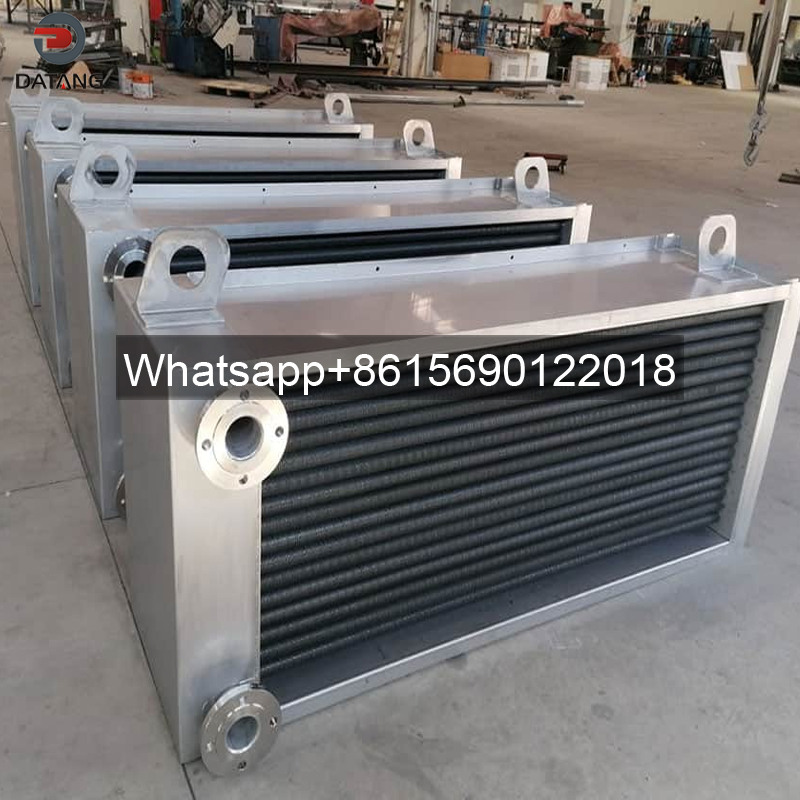
A fin tube radiator is a heat exchange device that uses finned tubes to transfer heat between a fluid and air.
It usually consists of several finned tubes arranged in rows. Hot or cold fluid flows inside the tubes. Air passes over the outer surface of the tubes and fins.
The tube carries the working fluid. The fins increase the external surface area. This helps you improve heat transfer between the fluid and the air.
You can find fin tube radiators in many industrial systems, including:
- Industrial heating systems
- Air heating and ventilation systems
- Drying equipment
- Power plants
- Petrochemical facilities
- Industrial cooling systems
- HVAC equipment
How Does a Fin Tube Radiator Work?
The working principle of a fin tube radiator is based on heat conduction and convection.
You can understand the process through four main steps.
Hot Fluid Enters the Tubes
First, hot water, steam, thermal oil, or another heating medium enters the tubes.
The fluid carries heat from the heat source into the radiator. As it flows through the tubes, it transfers heat to the tube walls.
Heat Transfers from the Tube to the Fins
Next, heat moves through the tube wall by conduction.
The fins are attached to the outer surface of the base tube. They receive heat from the tube and spread it across a larger surface area.
This is an important part of the heat transfer process.
Without fins, you only have the outer surface of the tube to exchange heat with the air. With fins, you can increase the available heat transfer area.
Air Passes Over the Fins
When air flows across the finned tubes, it absorbs heat from the fins and tube surfaces.
This process is called convection.
If you use a fan, you can increase the airflow across the radiator. Forced air can improve heat transfer and help you achieve the required heating capacity.
Heated Air Leaves the Radiator
Finally, the air leaves the radiator at a higher temperature.
At the same time, the fluid inside the tubes loses heat and becomes cooler.
The fluid can then return to the heating system or continue to the next stage of your process.
This cycle continues as long as the system operates.
Why Do You Need Fins on the Tubes?
You may wonder why a fin tube radiator needs fins instead of using ordinary smooth tubes.
The main reason is the difference in heat transfer performance between liquids and gases.
In many heating and cooling systems, the air-side heat transfer coefficient is much lower than the fluid-side coefficient. This means air transfers heat less effectively than the fluid inside the tube.
Adding fins helps solve this problem.
Here are three main benefits you can get from finned tubes.
1. Larger Heat Transfer Area
Fins increase the external surface area of the tubes. You can transfer more heat without greatly increasing the size of your equipment.
2. Better Heat Exchange Performance
A larger heat transfer area helps you improve the overall heat exchange capacity. This is especially useful when you need to transfer heat between a liquid and air.
3. More Compact Equipment
You can achieve the required heat transfer area with a more compact tube arrangement. This helps you save installation space in many industrial applications.
However, more fins do not always mean better performance. You also need to consider fin efficiency, airflow resistance, fouling, and cleaning requirements.
What Are the Main Components of a Fin Tube Radiator?
To understand how your fin tube radiator works, you should know its main components.
Base Tubes
The base tube carries the heating or cooling medium.
You can select different materials based on your operating conditions. Common options include carbon steel, stainless steel, 銅, and alloy steel.
Fins
The fins increase the external heat transfer area.
Common fin materials include aluminum, 銅, and steel. Your choice should depend on operating temperature, corrosion conditions, and material compatibility.
Headers and Connections
Headers distribute the working fluid into different tubes. They also collect the fluid after heat exchange.
You need to select suitable header sizes and connections based on your flow rate and system design.
Frame and Supporting Structure
The frame supports the tube bundle and keeps the radiator stable.
For large industrial equipment, a suitable supporting structure is important for installation and long-term operation.
Fan (If Required)
Some fin tube radiators use fans to force air across the tube bundle.
You can use natural airflow or forced airflow, depending on your required heat output and system design.
Where Can You Use Fin Tube Radiators?
You can use fin tube radiators in many industries where you need efficient air heating or cooling.
Industrial Heating
You can use fin tube radiators to heat air in factories, workshops, and production facilities.
Industrial Drying
If your production process requires hot air, fin tube radiators can provide a suitable heating source for drying equipment.
Power Generation
You can use finned tubes in air preheaters and other heat recovery systems to improve energy utilization.
Petrochemical Industry
You can use finned tube equipment for process heating, 冷却, and air-side heat exchange in petrochemical facilities.
HVAC Systems
Fin tube radiators are also used in heating and ventilation systems. They help you transfer heat between water or steam and air.
How Do You Choose the Right Fin Tube Radiator?
Choosing the right fin tube radiator is important for your equipment performance and operating costs.
Before you place an order, you should consider the following factors.
| Selection Factor | What You Need to Consider |
|---|---|
| Operating Temperature | Check your inlet and outlet temperatures. |
| Working Medium | Confirm whether you use water, steam, thermal oil, or another fluid. |
| Base Tube Material | Select a material that suits your pressure and corrosion conditions. |
| Fin Material | Consider temperature, corrosion resistance, and thermal conductivity. |
| Fin Type | Choose a suitable fin structure for your application. |
| Airflow | Check air volume, air velocity, and airflow resistance. |
| Heat Transfer Capacity | Confirm the required heating or cooling duty. |
You should also provide your operating pressure, flow rate, installation space, and working environment.
These details help your manufacturer evaluate the design and recommend a suitable fin tube solution.
Which Fin Tube Type Should You Choose?
Different fin tube types have different structures and performance characteristics. You should select the right type based on your operating conditions.
Here are four common options:
Extruded Finned Tubes
You can choose extruded finned tubes when you need a strong mechanical bond between the fin and base tube. They are commonly used in industrial air coolers and heat exchangers.
Embedded G-Type Finned Tubes
You can use G-type finned tubes in applications that require good fin-to-tube contact and mechanical stability.
L/LL/KL Finned Tubes
These finned tubes use different fin-foot structures. You can select them based on your operating temperature, corrosion protection needs, and project requirements.
High-Frequency Welded Finned Tubes
You can choose high-frequency welded finned tubes for high-temperature industrial applications. The welded fin structure provides a strong connection between the fins and the base tube.
Your final choice should depend on your actual operating conditions, not just the fin type.
Why Should You Choose a Professional Fin Tube Manufacturer?
When you purchase a fin tube radiator, the quality of the finned tubes directly affects the performance and reliability of your equipment.
You should work with a manufacturer that understands different fin structures, material options, and manufacturing processes.
A professional manufacturer can help you with:
-
Suitable base tube and fin material selection.
-
Fin type recommendations.
-
Customized tube dimensions and fin specifications.
-
Technical drawings and product evaluation.
-
Quality inspection and production control.
At 滄州大唐鋼管有限公司, 株式 会社. (Datang Finned Tube), we focus on the manufacturing of industrial finned tubes.
We offer different finned tube types, including extruded, embedded G-type, L/LL/KL, high-frequency welded, laser welded, and integral low finned tubes.
You can discuss your project requirements with our team. We can help you evaluate suitable materials, dimensions, and fin structures for your application.
Whether you are an EPC contractor, heat exchanger manufacturer, or industrial equipment buyer, you can contact Datang for customized finned tube solutions.
Frequently Asked Questions About Fin Tube Radiators
1. What is the difference between a fin tube radiator and a regular radiator?
A fin tube radiator uses tubes with external fins to increase the heat transfer area. A regular radiator may use smooth tubes or other heat transfer structures. The actual difference depends on the radiator design.
2. Does a fin tube radiator need a fan?
Not always. You can use natural convection or forced air circulation. A fan is useful when you need higher airflow or more controlled heat transfer.
3. What fluid can you use in a fin tube radiator?
You can use hot water, steam, thermal oil, or other suitable fluids. Your choice depends on the operating temperature, pressure, and system requirements.
4. Can you use a fin tube radiator for cooling?
Yes. You can use it for both heating and cooling. The result depends on the temperature difference between the working fluid and the surrounding air.
5. How do you maintain a fin tube radiator?
You should regularly check the fin surfaces for dust, dirt, and other deposits. You also need to inspect the tubes, connections, and supporting structure. Proper cleaning helps maintain airflow and heat transfer performance.
6. What materials are commonly used for fin tube radiators?
Common base tube materials include carbon steel, stainless steel, 銅, and alloy steel. Aluminum, 銅, and steel are common fin materials. You should select materials based on your working environment.
7. Can you customize fin tube radiators for your project?
Yes. You can customize tube diameter, tube length, fin height, fin pitch, fin thickness, and material according to your project requirements. You should provide your technical specifications or drawings before production.
Conclusion: Find the Right Fin Tube Solution for Your Project
A fin tube radiator works by transferring heat from the fluid inside the tubes to the surrounding air. Its fins increase the heat transfer area and help you achieve better heat exchange performance.
When selecting a fin tube radiator, you should consider your working medium, operating temperature, pressure, material requirements, and airflow conditions.
The right fin tube design can help you improve heat transfer performance and support reliable equipment operation.
Looking for a reliable finned tube manufacturer?
滄州大唐鋼管有限公司, 株式 会社. has been manufacturing industrial finned tubes since 2007. We provide different finned tube types and customized manufacturing services for industrial heat transfer applications.
Send us your drawings or technical requirements. Our team will help you find a suitable finned tube solution.
-
Website: httpsの://dtfinnedtube.com
-
Email: [email protected]
-
接触: サニー・ヤン
-
ワッツアップ / ウィーチャット: +86 156 9012 2018